
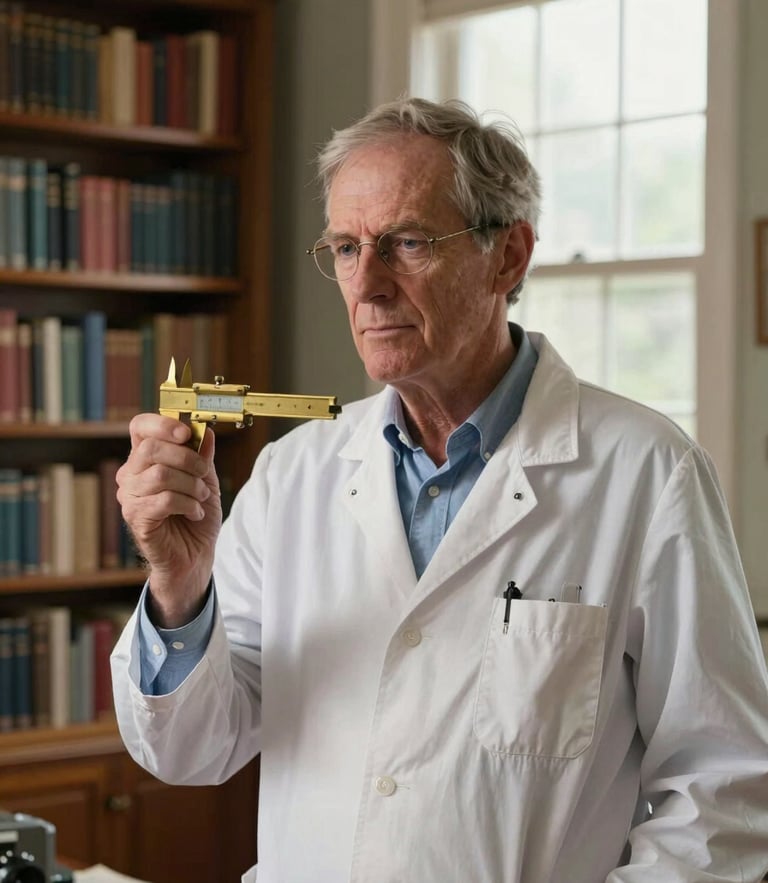
Environmental portrait of Dr. Robert Froese in a quiet home study, warm natural window light, floor-to-ceiling bookshelves in the background, holding a vintage brass caliper, thoughtful expression.
/ ABOUT ROBERT

Forest scientist and educator

Dr. Robert Froese bridges quantitative biometrics and practical land management. His work focuses on long-term forest dynamics, providing empirical clarity for complex silvicultural decisions.

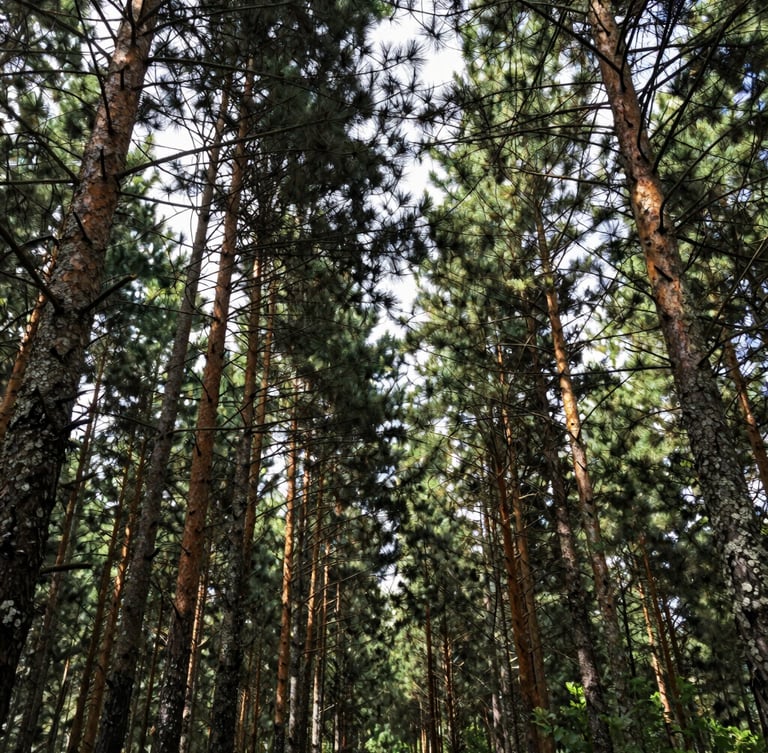
Wide vertical shot of a dense pine forest canopy with dramatic dappled sunlight filtering through mature timber, natural overcast daylight, rich green and lichen gray tones.
THE JOURNEY

Two decades in timber

The work began in the dense stands of the Pacific Northwest, measuring growth patterns and response to harvest. Over twenty years, this field-tested reality shaped a deep commitment to rigorous mathematical modeling.

Today, that foundation supports both academic research and practical resource analysis. Understanding forest growth requires looking past immediate yields to observe how ecosystems respond over many decades.

CORE VALUES

Grounded in empirical truth

Empirical biometrics

Translating complexity

Decade-scale perspective

Rigor demands direct field measurements and robust statistical modeling to understand timber dynamics, replacing convenient assumptions with verified empirical truth.

Translating complex biometrics into clear, actionable insights for land managers while mentoring the next generation of quantitative foresters.

Evaluating forest change across multiple generations, ensuring that silvicultural decisions respect the natural timeline of the timber.

Active research projects and peer-reviewed publications provide the mathematical foundation for this quantitative approach to long-term forest dynamics.