
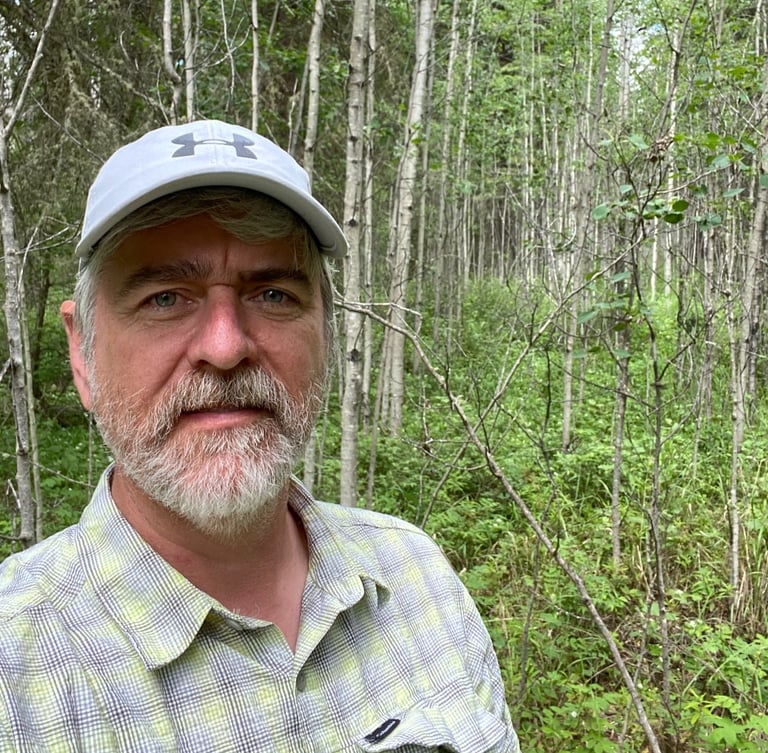
The math of the woods
I study how forests grow, change, and respond to management over decades. This digital study records empirical data and quantitative ecology to guide long-term silvicultural decisions.
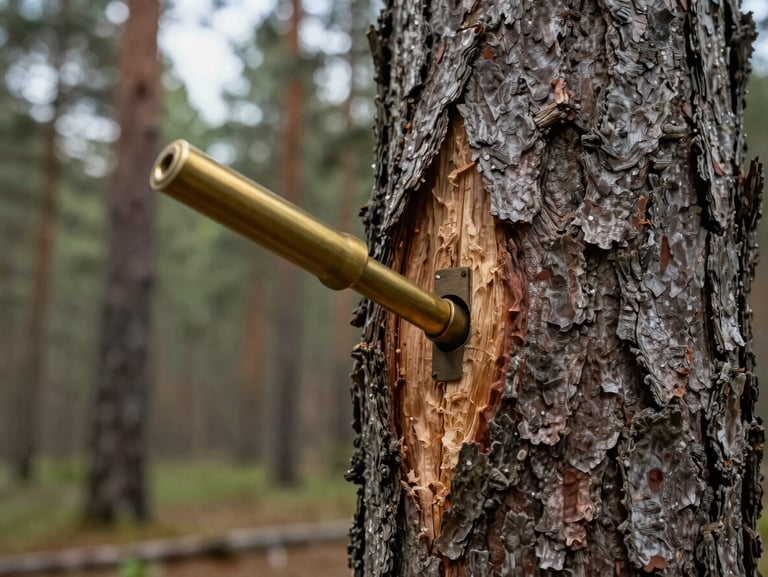
Empirical forest dynamics
Forestry requires patience and precision. By grounding quantitative biometrics in practical, field-tested reality, we ensure silvicultural decisions stand the test of time.
Decades, not quarters
Resource analysis must look beyond immediate yields. My work focuses on modeling growth patterns over fifty-year horizons, translating complex biometric data into clear pathways for sustainable timberlands.
Fieldwork is the foundation of every model. We measure tree rings and soil conditions to capture forest history directly from the source.
Research and practice
Scholarly research
Resource advisory
Investigating forest growth models, quantitative ecology, and biometric standards. My academic publications aim to advance the science of forest measurement.
Translating empirical data into practical land management decisions. Working with managers to apply biometrics to real-world forest inventories.
Let's discuss the data
Whether you are a researcher looking to collaborate on forest biometrics or an analyst seeking rigorous resource modeling, I welcome scholarly and professional correspondence.